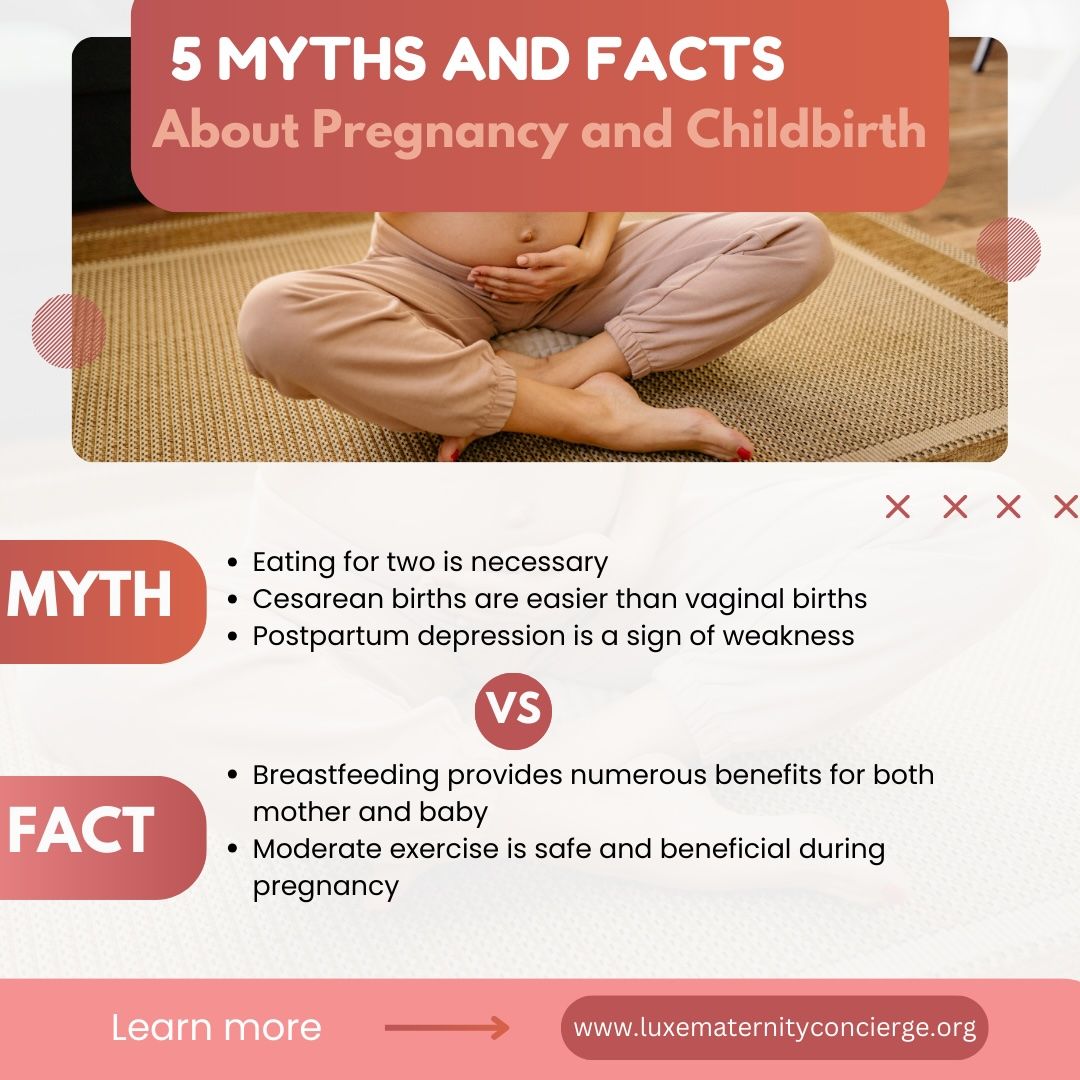
A simple, supportive guide to help families understand healing and health after birth.

The Fourth Trimester: Why Postpartum Care Is Critical for Maternal Health
Having a baby is a major life event. Most people think pregnancy ends once the baby is born, but your body still needs time, care, and support. This time after birth is called the Fourth Trimester, and it lasts from birth through the first 12 weeks postpartum.
During these weeks, your body heals, your hormones change, and you adjust to life with your new baby. Good postpartum care can help keep you safe and healthy.
💗 What Is the Fourth Trimester?
The Fourth Trimester is the period right after childbirth. Even though the baby is born, your body is still recovering. You may still have symptoms from pregnancy, birth, or surgery (if you had a C-section).
This time is important because your body goes through big changes very fast.
💗 Why the Fourth Trimester Matters
ACOG (American College of Obstetricians and Gynecologists) and the WHO (World Health Organization) say postpartum care is just as important as prenatal care. Many serious health problems can happen after the baby is born.
Good postpartum care can help prevent:
• High blood pressure problems
• Heavy bleeding
• Infections
• Depression or anxiety
• Problems with breastfeeding
• Blood clots
Getting help early can save your life.
💗 Warning Signs to Watch For After Birth
Call your doctor right away if you notice:
• Heavy bleeding
• Fever
• Severe headache
• Vision changes
• Swelling in your face or hands
• Chest pain or trouble breathing
• Bad belly pain
• Thoughts of hurting yourself or others
• Feeling very sad or hopeless
These can be signs of serious complications.
💗 Important Postpartum Checkups
🩺 1. Early Check (Within 1–3 Weeks)
ACOG now recommends an early postpartum visit. This helps check for:
• High blood pressure
• Mood changes
• C-section incision healing
• Breastfeeding issues
• Pain or infection
🩺 2. Full Postpartum Visit (By 12 Weeks)
Your complete postpartum check should include:
• Physical exam
• Birth control options
• Mental health screening
• Blood pressure check
• Feeding support
• Plan for future health
These visits help catch problems early
💗 Mental Health Matters Too
Postpartum depression and anxiety are common. You are not alone.
Signs include:
• Feeling sad most days
• Crying a lot
• Not enjoying things you used to enjoy
• Trouble sleeping (not related to baby)
• Feeling guilty or overwhelmed
Tell your doctor. Treatment helps, and you deserve support.
💗 Healing Takes Time
Your body may need weeks or months to heal, depending on:
• Vaginal birth
• C-section
• Tearing or stitches
• Feeding method
• Sleep and support at home
Be gentle with yourself. Rest when you can and ask for help.
💗 How Family Can Help
Loved ones can help by:
• Watching the baby so you can sleep
• Bringing meals
• Helping with chores
• Listening and offering support
• Encouraging you to go to postpartum appointments
• Looking out for warning signs
A strong support system makes healing easier.
💗 You Deserve Care Too
The Fourth Trimester is a time to care for your baby, but also a time to care for yourself.
Your health matters. Your recovery matters.
Never be afraid to ask for help—or to say something feels wrong.
You are not alone.
📚 References
American College of Obstetricians and Gynecologists. (2022–2024). Postpartum care toolkit and clinical recommendations. https://www.acog.org
World Health Organization. (2022). WHO recommendations on postnatal care. https://www.who.int